Inspiration
Wedding invitation printing: digital vs. offset and what it means for quality
Choosing a design for your wedding invitation is just the first step. Equally important is how the invitation will be printed. The printing method significantly affects colours, details, and overall impression.
Choosing a design for your wedding invitation is just the first step. Equally important is how the invitation will be printed. The printing method significantly affects colours, details, paper texture, and the overall impression of the finished piece.
In this article, we will explore the differences between digital printing and offset printing, their advantages, disadvantages, and most importantly, which printing method is best suited for wedding invitations where quality matters.
Why print quality matters so much for wedding invitations
Your wedding invitation is often the first physical contact your guests have with the atmosphere of your wedding. The paper, colour, sharpness of the typography, and the overall feel in hand create an impression that cannot be replicated digitally.
Print quality affects:
- colour saturation and accuracy
- typography sharpness
- how ink behaves on different papers
- the resulting "luxurious" or flat impression
This is precisely why the choice of printing technology is so important.
Digital printing for wedding invitations
Digital printing is the most common choice today for small to medium print runs of wedding invitations.
How digital printing works
Ink is applied directly onto the paper using a digital machine (laser or inkjet), without the need for printing plates.
Advantages of digital printing
- suitable for small quantities (tens to hundreds of pieces)
- lower cost for smaller quantities
- fast production
- option for personalisation (names, dates, texts)
Disadvantages of digital printing
- ink sits on the paper surface, does not absorb
- less depth and subtlety in colours
- limitations on highly textured or absorbent papers
- less "artisanal" feel for luxury invitations
When digital printing makes sense
Digital printing is suitable for:
- simple wedding invitations
- modern, minimalist designs
- smooth papers without pronounced texture
- smaller budgets or tight deadlines
Offset printing for wedding invitations
Offset printing is a traditional printing technique used for the highest quality results.
How offset printing works
Ink is transferred using printing plates and rollers, allowing it to absorb directly into the paper.
Advantages of offset printing
- significantly higher print quality
- deeper and more natural colours
- perfect sharpness in details and typography
- ideal for premium papers
- consistent results across larger runs
Disadvantages of offset printing
- higher cost for small quantities
- more demanding preparation
- longer production time
- less flexible for changes
When to choose offset printing
Offset printing is ideal for:
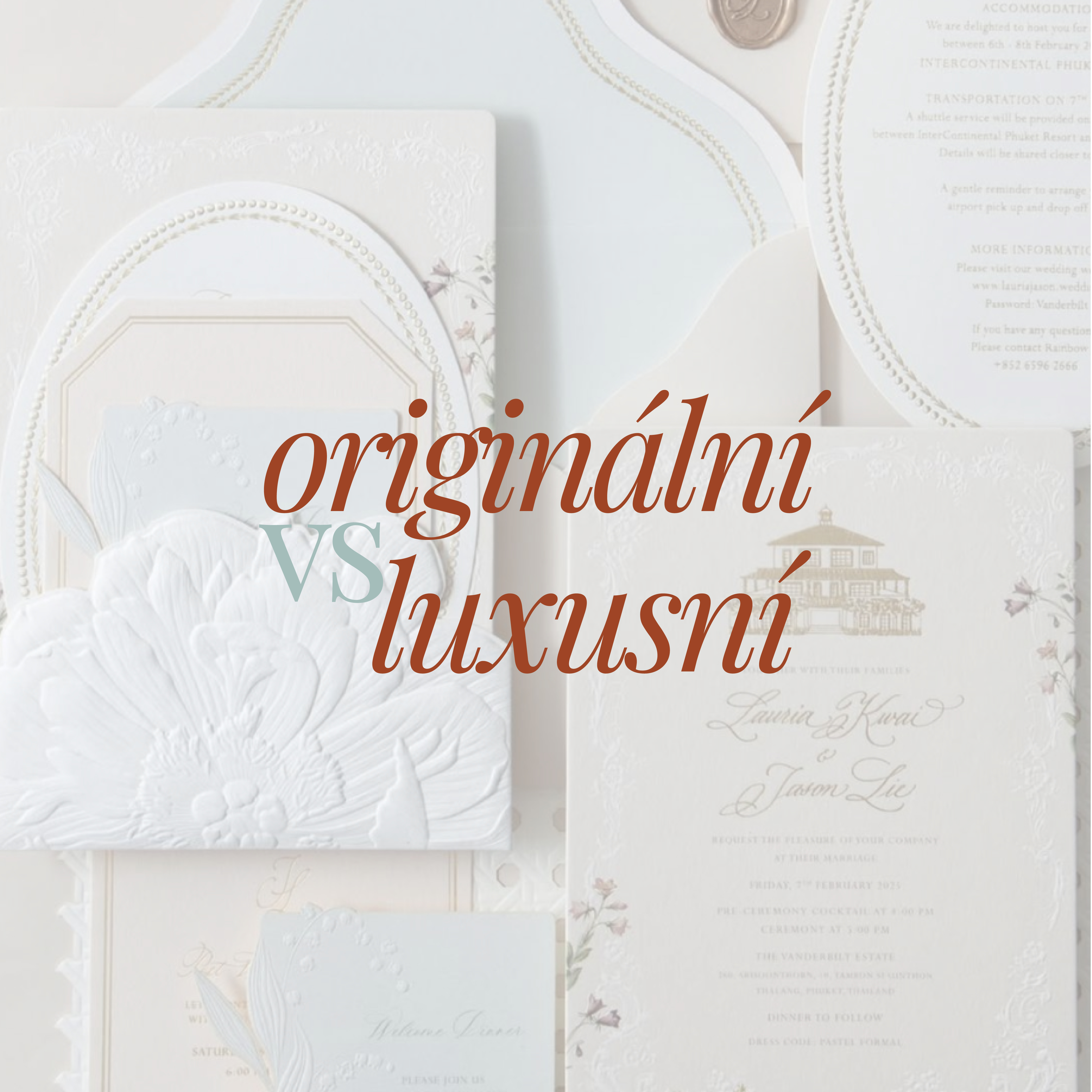
- luxury wedding invitations
- designs where colour and texture play a key role
- natural, cotton, or textured papers
- clients who want a "wow effect" and tactile quality
Papers and their impact on print results
Paper is just as important as the printing itself when it comes to wedding invitations.
Digital printing and papers
- works best on smooth, coated, or subtly matte papers
- printing can be uneven on heavily textured papers
- colours appear flatter
Offset printing and papers
- ideal for cotton, handmade, natural, and textured papers
- ink absorbs and creates a soft, elegant appearance
- allows work with tone-on-tone palettes
Digital vs. offset: a brief comparison
| Criterion | Digital printing | Offset printing | |-----------|------------------|-----------------| | Print quality | good | very high | | Colours | flatter | deep, natural | | Papers | mostly smooth | textured as well | | Cost for small runs | lower | higher | | Luxurious feel | limited | pronounced |
Which printing method we choose at Studio Perfi
At Studio Perfi, we always start with paper and format, then address printing. Not every wedding invitation needs offset, but every invitation needs a technology that respects the material and design.
That is why:
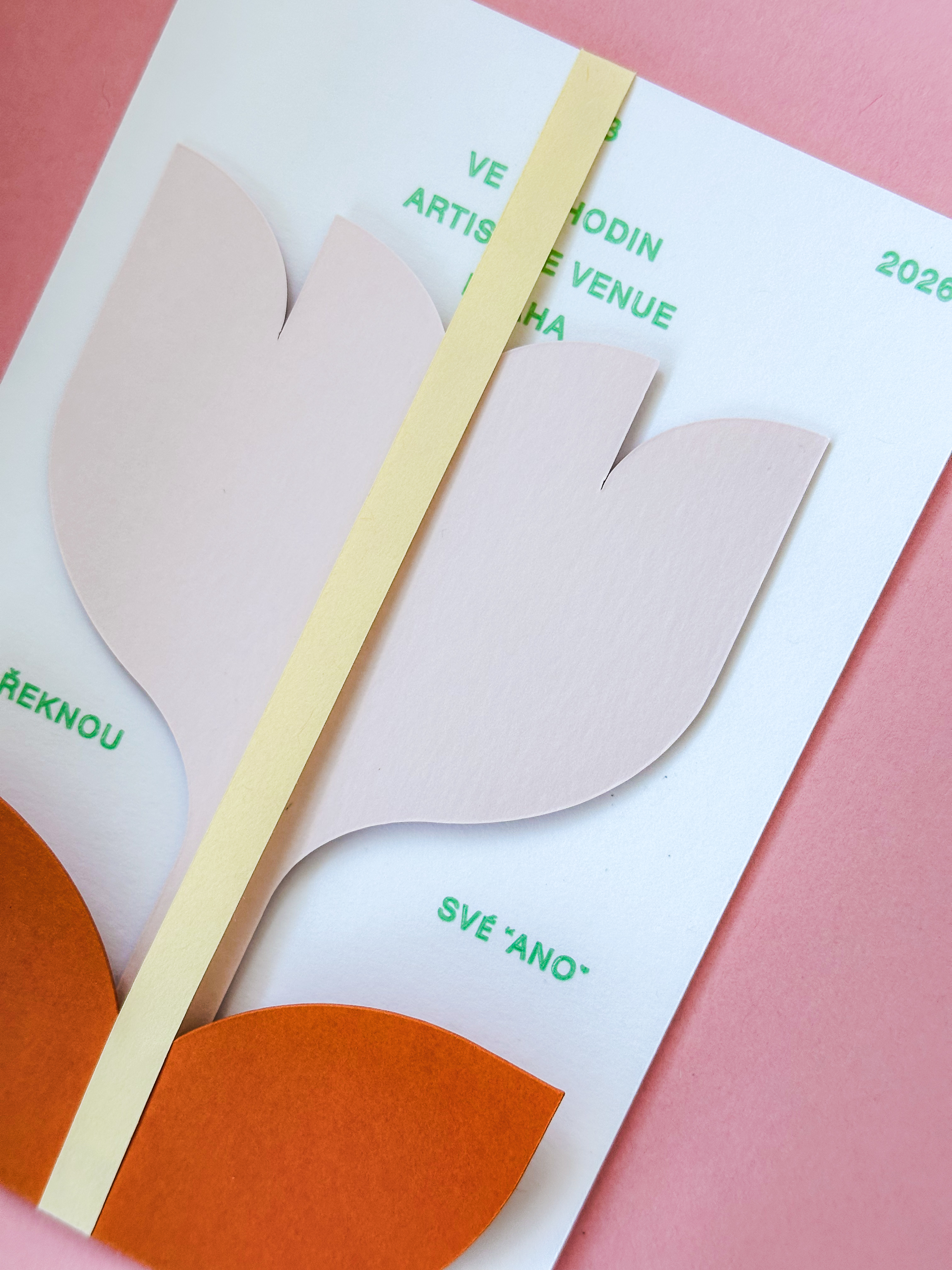
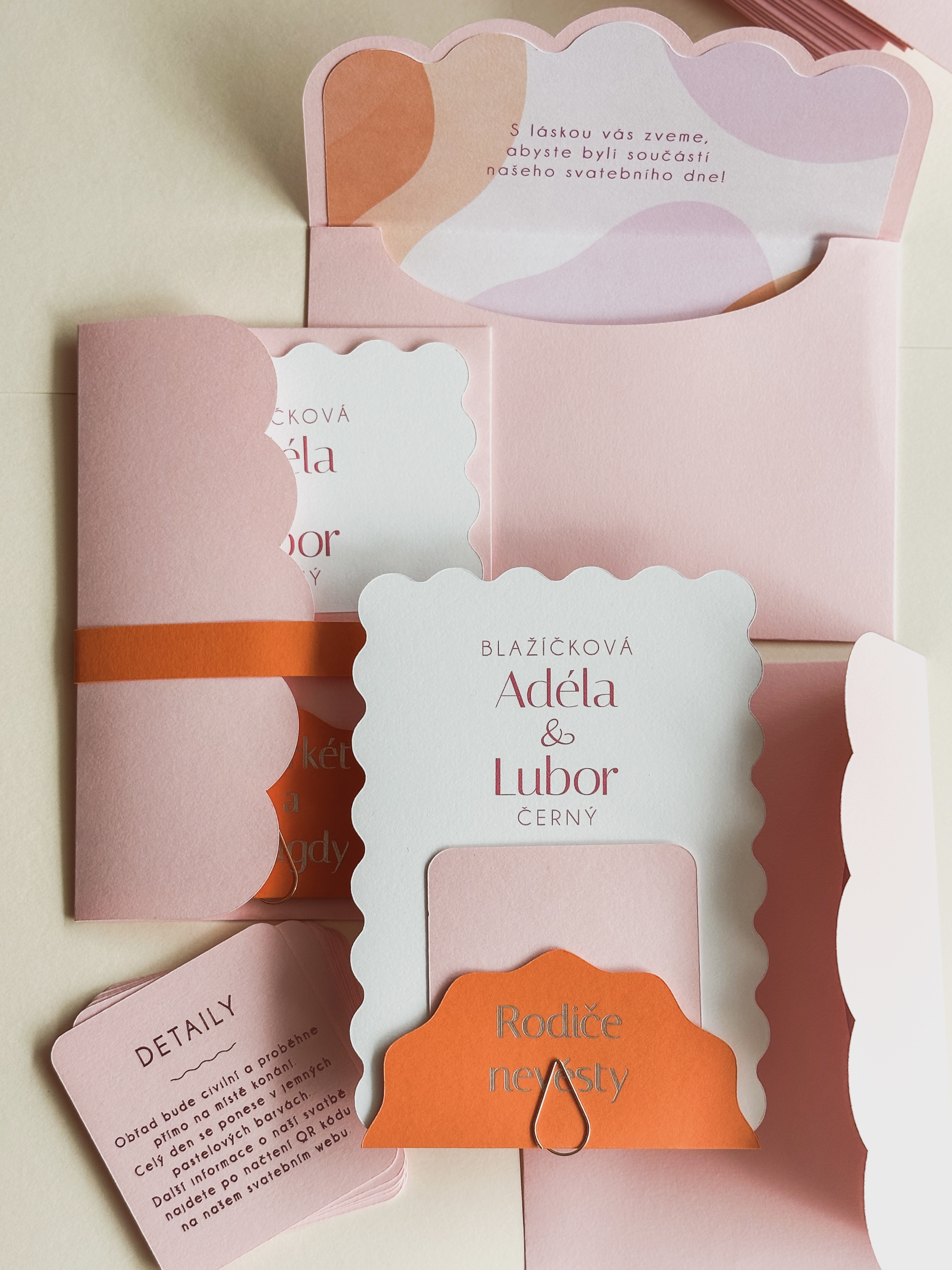
- we combine digital printing with hand finishing
- for premium commissions, we choose offset printing
- we always test colours on the specific paper
- print quality is as important to us as typography
A wedding invitation should not just inform; it should be held in hand, felt, and remembered.
Conclusion: printing is not a detail, it is the foundation
The difference between digital and offset printing is not merely technical. It is the difference between an invitation that "looks good" and one that feels like a thoughtfully crafted object.
If you are considering printing for your wedding invitations and are unsure which technology suits your design, it is worth consulting someone who understands both design and production.